Why RBS offers value
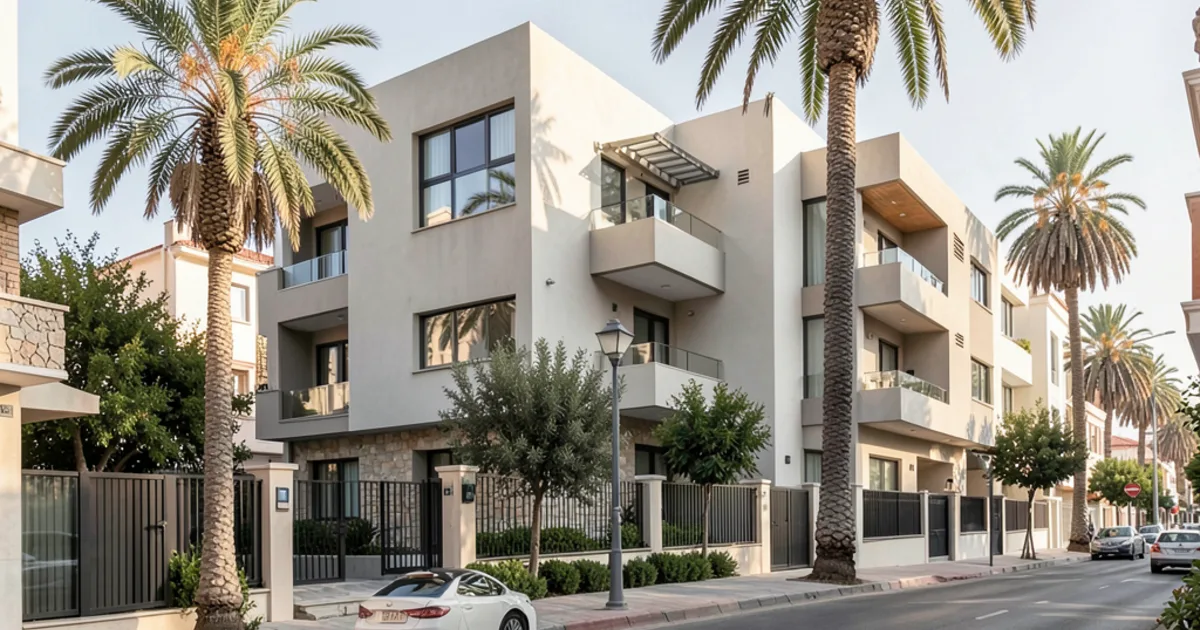
Ramat Beit Shemesh, often referred to as RBS, has emerged as a singular phenomenon within the Israeli real estate landscape. It is not merely a collection of residential neighborhoods, but a specialized ecosystem designed to cater to a specific demographic with high demand. For those looking to understand why RBS offers value, one must look beyond simple price per square meter and examine the layers of community, stability, and growth. This article explores the multifaceted drivers that make this region a focal point for both residents and investors.
Quick answer: RBS offers value through its strategic location in Ramat Beit Shemesh, combining residential appeal with access to major infrastructure. The property market in this area is characterized by competitive pricing and steady demand, providing a solid foundation for investment or personal residence. This balance of affordability and quality makes it a compelling choice for buyers seeking long-term stability.
- What defines the social value of the RBS ecosystem?
- How does geographic expansion shape property value?
- Navigating the financial landscape of Israeli real estate.
- The importance of legal due diligence in RBS.
- Why community infrastructure drives long-term demand.
- Comparing the value of established vs. developing neighborhoods.
- Understanding the impact of municipal administration.
- Managing the complexities of the property lifecycle.
- Why the 'Anglo Heartland' provides market resilience.
- Mitigating risks in the Beit Shemesh region.
- The role of urban planning in future appreciation.
What defines the social value of the RBS ecosystem?
The primary driver of value in RBS is the concept of the 'Anglo Heartland.' This refers to the significant concentration of English-speaking immigrants who bring a specific cultural and social framework to the region. Unlike many other areas in Israel where demographics may shift rapidly, RBS maintains a consistent social fabric that provides a sense of continuity and belonging. This social cohesion creates a unique market demand that is relatively insulated from broader national trends.
This demographic stability translates into a predictable demand for specific types of housing and services. Families moving to RBS are often looking for long-term stability, which means they are not just transient residents but active participants in the community. This long-term residency pattern fosters a robust local economy and supports the development of specialized amenities. When a community is built around shared values and lifestyle needs, the property value is bolstered by the intangible benefit of social security.
Furthermore, the social value is reinforced by the presence of communal institutions that cater to the specific needs of the residents. From religious services to community centers, these institutions act as anchors for the various neighborhoods. They ensure that as the population grows, the infrastructure for social life grows alongside it. This synergy between population growth and institutional development is a key component of the region's overall value proposition.
- High levels of community cohesion and social continuity.
- Predictable demand driven by specific demographic needs.
- Strong presence of communal and religious institutions.
How does geographic expansion shape property value?
The evolution of RBS can be viewed through its distinct geographic phases: Alef, Bet, and Gimmel. RBS Alef represents the established, mature core of the community, where infrastructure is settled and services are readily available. Properties here often command a premium due to their proximity to central amenities and the established nature of the neighborhood. This area provides the stability that many long-term residents seek when entering the market.
Moving outward, RBS Bet offers a different value proposition, often characterized by more modern construction and a growing sense of community. While it may lack the decades of history found in Alef, it offers newer building standards and different layouts that appeal to growing families. The growth of Bet is a testament to the expanding capacity of the Beit Shemesh area to accommodate the increasing influx of residents. This expansion creates a tiered market where different budget levels and lifestyle preferences can be met.
RBS Gimmel represents the frontier of this expansion, offering significant potential for those looking at long-term appreciation. As a developing area, the value here is tied closely to the pace of municipal development and the arrival of essential services. While it may require more patience than the established sectors, the potential for growth is inherently higher as the infrastructure catches up to the residential footprint. Investors and residents alike must weigh the stability of Alef against the growth potential of Gimmel.
- RBS Alef: Established, mature, and high-demand stability.
- RBS Bet: Modern construction and active community growth.
- RBS Gimmel: High potential for long-term capital appreciation.
Navigating the financial landscape of Israeli real estate.
Purchasing property in Israel involves navigating a specific set of financial mechanisms that can impact your total investment. One of the most critical components is the Mas Rekhisha, or purchase tax. This tax is calculated based on the transaction value and the buyer's status, and it must be factored into the initial budget to avoid unexpected shortfalls. Understanding how this tax applies to your specific situation is essential for accurate financial planning.
The acquisition of a Mashkanta, or mortgage, is another vital consideration. The Israeli mortgage market offers various structures, including fixed, floating, and variable rates, each carrying different levels of risk and long-term cost. It is not enough to simply look at the monthly payment; one must analyze the total interest paid over the life of the loan. A well-structured Mashkanta can provide the leverage needed to enter the market, but it requires careful management of interest rate fluctuations.
Beyond the purchase price and taxes, there are ongoing costs that contribute to the total cost of ownership. These include the Arnona, which is the local municipal property tax, and various maintenance fees for managed buildings. While these costs are often overlooked during the excitement of a purchase, they are permanent fixtures of the resident's budget. Calculating these recurring expenses is necessary to understand the true 'value' and affordability of a property over time.
- Mas Rekhisha (Purchase Tax) considerations.
- Mashkanta (Mortgage) structure and interest rate management.
- Ongoing Arnona (Property Tax) and maintenance obligations.
The importance of legal due diligence in RBS.
Securing a property in the Beit Shemesh region requires a rigorous approach to legal verification. The most fundamental step is ensuring the property is properly registered in the Tabu, the official land registry. A property that is not clearly registered or has complications in the Tabu can lead to significant legal disputes and financial loss. Verifying the title is the cornerstone of any safe real estate transaction in Israel.
The creation of a binding memorandum, or a contract of sale, is the moment when the transaction becomes official. This document must be drafted with precision, covering all aspects of the sale, including timelines, payment schedules, and contingencies. It is highly recommended to involve a legal professional to ensure that the interests of the buyer are fully protected. A poorly drafted memorandum can leave a buyer vulnerable to delays or unforeseen obligations from the seller.
Working with a notary is also a common requirement, especially for transactions involving international parties or specific types of legal authorizations. A notary provides an extra layer of authentication for signatures and documents, which is crucial in cross-border real estate dealings. While it adds a step to the process, the legal certainty provided by a notary is an essential part of a professional and secure transaction. Never skip these steps in the interest of speed.
- Verifying registration in the Tabu land registry.
- Drafting a comprehensive and binding memorandum.
- Utilizing a notary for legal authentication and security.
Why community infrastructure drives long-term demand.
The value of a property in RBS is inextricably linked to the quality of the surrounding community infrastructure. This includes more than just roads and electricity; it encompasses the educational and religious institutions that define the lifestyle. The presence of high-quality schools and Ulpans (language and integration centers) makes the area highly attractive to new immigrants. When families know their children will have access to excellent education, the demand for housing in that vicinity remains high.
Religious infrastructure, such as synagogues and Mikvaot, serves as a vital anchor for the community. In a region like RBS, where religious lifestyle is a primary driver of residency, the availability and quality of these services directly impact property desirability. A neighborhood with a strong, accessible religious infrastructure will often maintain higher demand and more stable pricing than one that lacks these essential services. This is a key differentiator in the local market.
Furthermore, the development of commercial hubs and local amenities adds another layer of value. Access to grocery stores, pharmacies, and local services within walking distance or a short drive is a major factor in resident satisfaction. As the municipality continues to plan and zone for more commercial activity, the convenience of the neighborhoods increases. This ongoing development of 'lifestyle infrastructure' is a continuous driver of property value in the region.
- Educational institutions and Ulpans as demand drivers.
- Religious infrastructure (Synagogues, Mikvaot) as lifestyle anchors.
- Commercial hubs and local service accessibility.
Comparing the value of established vs. developing neighborhoods.
When evaluating the value of an investment in RBS, one must choose between the certainty of the established and the potential of the developing. Established neighborhoods like RBS Alef offer a proven track record of stability. The infrastructure is complete, the community is settled, and the risks associated with municipal planning are significantly lower. This makes them ideal for those seeking a predictable living environment or a conservative investment.
In contrast, developing areas like RBS Bet and Gimmel offer a different kind of value: the potential for significant growth. Buying in these areas often means entering the market at a lower entry point relative to the mature sectors. As the municipality completes new roads, schools, and commercial centers, the value of these properties is likely to increase. However, this path requires a higher tolerance for the growing pains associated with new construction and evolving infrastructure.
The 'Old Beit Shemesh' area offers a third dimension, often characterized by historical charm and a more central urban feel. While it may not have the planned, modern layout of the newer RBS neighborhoods, it provides a unique character that attracts a different segment of the market. Understanding these distinctions allows a buyer to align their purchase with their specific financial goals and lifestyle requirements.
- Established (Alef): Stability and proven infrastructure.
- Developing (Bet/Gimmel): Growth potential and lower entry points.
- Old Beit Shemesh: Historical character and urban centralism.
Understanding the impact of municipal administration.
The municipality plays a decisive role in determining the long-term value of property in RBS. Through master planning and zoning regulations, the local government dictates how land can be used and where new developments will occur. A change in zoning from residential to commercial, or an increase in permitted building density, can have a profound impact on property values. Staying informed about municipal plans is a vital part of real estate intelligence in this region.
The administration of Arnona, the local property tax, is another municipal factor that affects the cost of living. While Arnona is a standard part of Israeli life, the rates can vary based on the type of property and its location. Municipal decisions regarding service levels and infrastructure maintenance directly influence how these taxes are utilized. A well-managed municipality that reinvests in its neighborhoods creates a virtuous cycle of improvement and value retention.
Infrastructure projects, such as the expansion of public transportation or the creation of new parks, are also under municipal control. These projects can significantly enhance the desirability of a neighborhood, making it more accessible and pleasant for residents. When a municipality prioritizes connectivity and public spaces, it effectively subsidizes the long-term value of the private real estate within its jurisdiction.
- Municipal master planning and zoning impacts.
- Arnona (Property Tax) and municipal service levels.
- Public infrastructure projects and connectivity.
Managing the complexities of the property lifecycle.
The real estate journey in RBS is a multi-stage process that extends far beyond the initial purchase. Once a property is acquired, the owner enters a phase of maintenance and management. This includes everything from routine repairs to managing the relationship with the building's management committee. Maintaining the physical condition of the property is essential to preserving its market value over the years.
As the years pass, the owner must also consider the broader market cycles. Real estate is rarely static; it responds to economic shifts, demographic changes, and local developments. An owner who understands these cycles can better time their decisions, whether they are looking to renovate, expand, or eventually sell. Being an active and informed owner is part of the strategy for maximizing the value of the asset.
Finally, the lifecycle reaches the exit phase, which involves the eventual sale of the property. At this stage, one must be mindful of the Mas Shevah, or capital gains tax. This tax is applied to the profit made on the sale of the property, and understanding the exemptions and rules surrounding it is crucial. Planning the exit strategy with an eye toward tax efficiency is just as important as the initial purchase strategy.
- Ongoing property maintenance and management.
- Navigating market cycles and timing decisions.
- The exit strategy and Mas Shevah (Capital Gains) implications.
Why the 'Anglo Heartland' provides market resilience.
One of the most compelling reasons why RBS offers value is its inherent market resilience. Because the demand is driven by a specific demographic with a strong cultural connection to the area, the market is less susceptible to the whims of general economic volatility. When other sectors might see a decline in demand, the 'Anglo Heartland' often maintains a steady influx of residents looking for a specific way of life. This creates a floor for property values.
This resilience is also bolstered by the high level of community commitment. Residents in RBS are often not just looking for a house, but for a place to build a life and a community. This emotional and social investment means that people are less likely to move frequently, leading to lower turnover and more stable pricing. A market with low turnover and consistent demand is a hallmark of a healthy and valuable real estate ecosystem.
Furthermore, the international nature of the demographic brings a unique level of capital and interest to the region. The connection to the Diaspora means that RBS is part of a global movement of people seeking to settle in Israel. This constant stream of interest ensures that the region remains relevant and continues to attract the necessary attention and investment to fuel its ongoing growth.
- Resilience against general economic volatility.
- Low turnover due to high social and emotional investment.
- Continuous interest from the global Diaspora.
Mitigating risks in the Beit Shemesh region.
While the value proposition of RBS is strong, any real estate investment carries inherent risks that must be managed. One of the primary risks is the lack of local knowledge. Navigating the nuances of Israeli law, municipal planning, and neighborhood-specific dynamics requires a level of expertise that is difficult to gain without experience. Working with local professionals who understand the specific context of Beit Shemesh is a critical risk-mitigation strategy.
Another risk involves the potential for unforeseen physical or legal issues with a property. This is why thorough due diligence is non-negotiable. Beyond checking the Tabu, one should investigate the physical condition of the building, the history of any major repairs, and any pending municipal orders that might affect the property. A proactive approach to investigation can prevent costly mistakes that often arise from a rushed purchase.
Finally, one must be aware of the risks associated with interest rate fluctuations in the Mashkanta. For those using significant leverage, a sudden shift in the economic landscape can increase the cost of debt. Diversifying mortgage types and maintaining a healthy contingency fund are prudent ways to manage this financial risk. Understanding that no investment is without risk is the first step toward managing it effectively.
- Mitigating risks through local expertise.
- Conducting thorough physical and legal due diligence.
- Managing financial risks related to mortgage rates.
The role of urban planning in future appreciation.
The future value of RBS is heavily predicated on the success of ongoing urban planning initiatives. As the population grows, the demand for efficient land use will increase. This will likely lead to more intensive development, such as higher-density residential buildings and more integrated commercial zones. Those who can anticipate these planning trends will be better positioned to benefit from the resulting appreciation.
Urban planning also dictates the quality of life through the provision of green spaces and public infrastructure. A city that plans for walkability, parks, and efficient transit is a city that remains desirable in the long term. The municipality's ability to balance rapid residential growth with the provision of high-quality public amenities will be a deciding factor in the sustained value of the RBS neighborhoods. Planning is not just about buildings; it is about the environment they inhabit.
Furthermore, the integration of technology and modern urban design into new developments in RBS Bet and Gimmel represents a significant value driver. As newer neighborhoods are built with modern infrastructure, such as better fiber-optic connectivity and smarter waste management, they will naturally appeal to a modern demographic. This technological and design-led evolution is a key component of the region's long-term growth trajectory.
- Anticipating densification and land-use changes.
- The impact of green spaces and walkability on value.
- Modern infrastructure and technological integration.
FAQ
What is the main difference between RBS Alef and RBS Bet?
RBS Alef is a more established and mature neighborhood with settled infrastructure and high demand for stability. RBS Bet is generally newer, offering more modern construction and significant growth potential as the community continues to expand.
Get your personalised shortlist
Listings and up-to-date info, straight to your inbox, free, no obligation.
See RBS homes →