Sustainable Living in Israeli Residential Developments
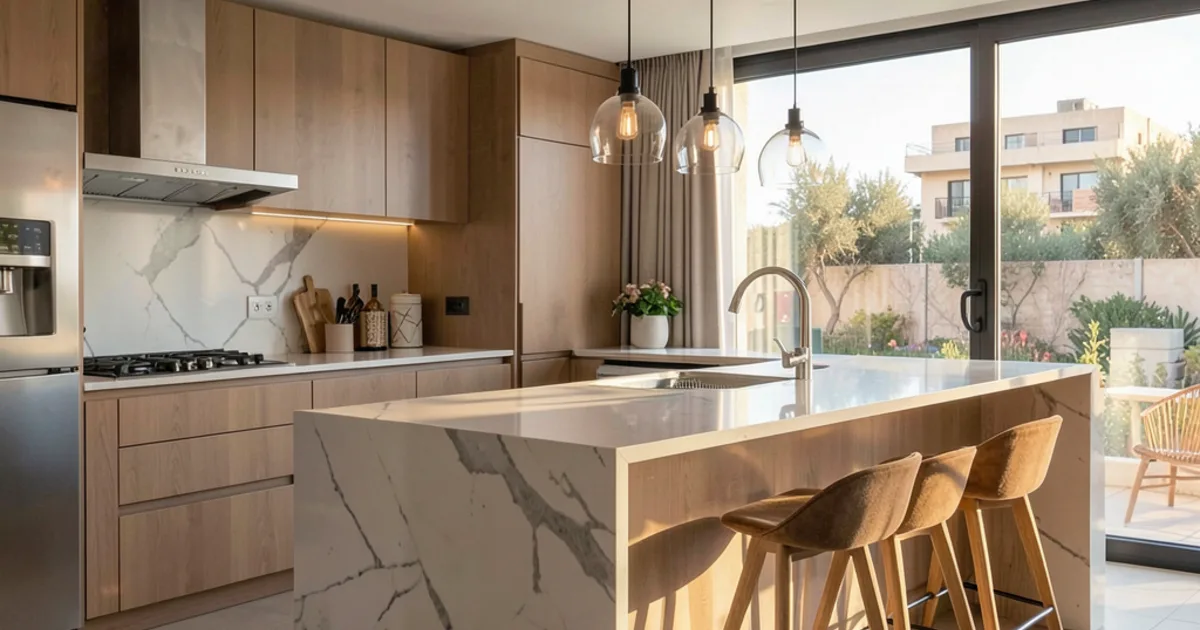
The landscape of Israeli real estate is undergoing a profound transformation, moving beyond mere structural integrity toward long-term ecological resilience. For families looking to settle in growing areas like Ramat Beit Shemesh, sustainability is no longer a luxury but a fundamental component of modern residential design. This article explores the critical elements of sustainable living in Israeli developments, from energy-efficient technologies to the financial implications of green investments.
Quick answer: Ramat Beit Shemesh offers a residential community in the Beit Shemesh area, known for its planned neighborhoods and access to the Jerusalem metropolitan region. It provides a suburban lifestyle with local amenities, distinct from the dense urban center of Jerusalem, appealing to families seeking a quieter environment.
- The Evolution of Sustainable Urbanism in Israel
- Optimizing Energy Consumption through Passive Design
- Advanced Water Management in Arid Climates
- Navigating the Regulatory Landscape and Green Standards
- Sustainable Material Selection in Local Construction
- The Role of Communal Spaces in Sustainable Urbanism
- Financial Implications: Mortgages and Long-term Savings
- Impact on Property Value and Resale Potential
- Due Diligence: Verifying Sustainability Claims
- Retrofitting vs. New Construction: A Comparative View
The Evolution of Sustainable Urbanism in Israel
Historically, Israeli residential construction focused on rapid expansion to meet the needs of a growing population. This often prioritized quantity and speed over environmental considerations or long-term resource management. However, as the urban landscape has matured, a significant shift toward sustainable urbanism has emerged. Modern planning now integrates environmental impact assessments much earlier in the development lifecycle.
This evolution is particularly visible in the transition from older, established neighborhoods to newer, master-planned communities. In areas like RBS Alef or Old Beit Shemesh, sustainability often involves retrofitting existing structures to meet modern standards. In contrast, newer developments in RBS Gimmel are being designed from the ground up with ecological efficiency as a core pillar. This distinction creates a diverse market for buyers seeking different levels of green integration.
The motivation behind this shift is multifaceted, driven by both necessity and foresight. As natural resources become more precious and energy costs fluctuate, the demand for efficient housing has risen. Furthermore, modern residents are increasingly prioritizing health, wellness, and environmental responsibility when choosing a home. This cultural shift is fundamentally altering how developers approach land use and architectural design.
- Transition from rapid expansion to thoughtful, long-term urban planning.
- Increased focus on resource scarcity and energy independence.
- The emergence of master-planned communities with integrated green infrastructure.
Optimizing Energy Consumption through Passive Design
Energy efficiency in Israeli residential developments begins with the principles of passive design. This approach focuses on utilizing the natural environment to maintain comfortable indoor temperatures with minimal mechanical intervention. By optimizing building orientation and window placement, developers can harness natural light while minimizing excessive heat gain. This is especially critical in the Mediterranean climate, where summer cooling is a primary concern.
High-quality insulation and thermal mass are also vital components of energy-efficient homes. Modern construction techniques utilize advanced materials in walls and roofing to create a robust thermal envelope. This helps to stabilize indoor temperatures, reducing the heavy load placed on air conditioning units during peak summer months. When combined with high-performance, double-glazed windows, these features can lead to substantial reductions in monthly electricity consumption.
Solar integration has become a standard expectation in many new residential projects. Most modern buildings incorporate solar water heaters, often referred to locally as 'Dud Shemesh,' to provide renewable hot water. Some advanced developments are even moving toward integrating photovoltaic panels into the building's common areas or individual balconies. These technologies allow residents to participate directly in the transition toward renewable energy sources.
- Strategic building orientation to maximize natural light and ventilation.
- Use of high-performance thermal insulation to reduce HVAC dependency.
- Integration of solar water heating and photovoltaic technology.
Advanced Water Management in Arid Climates
Given Israel's unique geographical position, water management is a cornerstone of sustainable living. Residential developments must address both the scarcity of freshwater and the need for efficient usage within the home. Developers are increasingly implementing sophisticated systems to manage water cycles more effectively. This is not just an environmental necessity but a practical requirement for long-term urban viability.
One of the most effective strategies is the implementation of greywater recycling systems. These systems collect water from sinks, showers, and washing machines, treat it to a certain standard, and repurpose it for non-potable uses. This recycled water is ideal for flushing toilets or irrigating communal gardens and landscaping. By reducing the demand for fresh municipal water, these systems significantly lower the overall environmental footprint of a building.
Furthermore, smart irrigation technologies are becoming standard in the landscaping of new developments. Instead of traditional sprinklers that lose significant amounts of water to evaporation, modern projects often use drip irrigation systems. These systems deliver water directly to the root zones of plants, ensuring maximum efficiency. When paired with moisture sensors that detect soil conditions, water waste is kept to a minimum.
- Greywater recycling for non-potable household and garden uses.
- Drip irrigation systems to minimize evaporation and runoff.
- Smart sensor technology to optimize water usage based on real-time needs.
Navigating the Regulatory Landscape and Green Standards
Sustainability in Israeli real estate is not merely a trend; it is increasingly supported by a formal regulatory framework. The Israeli Green Building Standard provides a structured set of guidelines that developers can follow to certify their projects. These standards cover a wide range of categories, including energy, water, materials, and indoor environmental quality. Adhering to these standards ensures a baseline of efficiency that protects both the planet and the resident.
Municipalities also play a crucial role in enforcing and encouraging sustainable practices. Local planning committees often include requirements for green spaces, energy-efficient lighting in common areas, and waste management facilities. For buyers, understanding these local regulations is essential when evaluating the long-term quality of a development. A project that meets or exceeds municipal green requirements is often a sign of a high-quality, forward-thinking developer.
When evaluating a potential purchase, it is important to ask specifically about the level of certification the building has achieved. While not every building will carry a formal 'green' label, many developers incorporate the principles of the standard into their construction. Knowing whether a building adheres to these recognized benchmarks can provide peace of mind regarding its future efficiency and operational costs.
- Adherence to the Israeli Green Building Standard.
- Municipal requirements for green infrastructure and waste management.
- The role of local planning committees in shaping sustainable developments.
Sustainable Material Selection in Local Construction
The choice of materials used in construction has a direct impact on a building's carbon footprint and its thermal performance. Developers are increasingly looking toward materials that offer both durability and low environmental impact. This includes selecting stone or concrete with high thermal mass, which helps regulate indoor temperatures naturally. In the context of Israel, using locally sourced stone can also reduce the carbon emissions associated with long-distance transportation.
Beyond structural materials, the interior finishes and components also play a role in sustainability. Low-VOC (Volatile Organic Compound) paints and sustainable flooring options contribute to better indoor air quality. These choices are increasingly important for residents who are concerned about the long-term health effects of their living environment. A sustainable home is one that is healthy for both the occupants and the ecosystem.
Durability is another critical aspect of material sustainability. Using high-quality, long-lasting materials reduces the frequency of repairs and replacements, thereby minimizing waste over the building's lifecycle. While some sustainable materials may require a slightly higher initial investment, their longevity often translates to significant long-term savings. This lifecycle approach is a key principle of modern, responsible real estate development.
- Use of high-thermal-mass materials like stone and concrete.
- Prioritization of low-VOC materials for improved indoor air quality.
- Focus on material durability to reduce long-term waste and maintenance.
The Role of Communal Spaces in Sustainable Urbanism
Sustainability is not limited to the interior of a home; it extends to the entire urban fabric. Modern residential developments in areas like RBS Bet and RBS Gimmel are designed with a focus on walkability and communal connectivity. By creating pedestrian-friendly paths and reducing reliance on private vehicles, these developments help lower the overall carbon footprint of the community. This design philosophy fosters a sense of connection and encourages more active lifestyles.
Communal green spaces are another vital component of sustainable urban design. Parks, shared gardens, and shaded walkways help to mitigate the 'urban heat island' effect, where built-up areas become significantly warmer than their surroundings. These spaces also provide essential areas for social interaction and mental well-being. A well-designed communal space can turn a collection of buildings into a true, thriving neighborhood.
Effective waste management infrastructure is also a key feature of sustainable communal living. Modern developments often include centralized, easy-to-use recycling stations and organic waste collection points. When these facilities are integrated seamlessly into the community layout, resident participation in recycling programs increases significantly. This collective effort is essential for managing the environmental impact of a growing population.
- Pedestrian-centric design to encourage walking and reduce car dependency.
- Integration of communal green spaces to combat urban heat.
- Efficient, accessible waste and recycling infrastructure.
Financial Implications: Mortgages and Long-term Savings
Many prospective buyers worry that sustainable features come with an insurmountable price tag. While it is true that some advanced green technologies may increase the initial purchase price, it is important to view this as a long-term investment. The primary financial benefit of a sustainable home is the significant reduction in recurring operational costs. Lower electricity and water bills can lead to substantial monthly savings over the life of the property.
In recent years, some financial institutions have begun to recognize the value of eco-friendly properties. This has led to the emergence of 'green mortgages' or preferential terms for buyers of certified sustainable homes. While these options may vary depending on the lender, they can help offset the initial cost of a more efficient property. It is always wise to consult with a mortgage provider to see if your specific property qualifies for any specialized financing.
Furthermore, the impact of energy efficiency on the total cost of ownership should not be underestimated. When calculating your budget, consider not just the 'Mas Rekhisha' (purchase tax) and the 'Mashkanta' (mortgage) payments, but also the projected utility costs. A home that is highly efficient can provide much greater financial stability, especially during periods of rising energy prices.
- Reduction in monthly utility expenditures through efficiency.
- Potential for preferential terms through green mortgage products.
- Long-term cost-of-ownership benefits versus initial capital outlay.
Impact on Property Value and Resale Potential
As sustainability becomes a mainstream concern, its impact on property valuation is becoming increasingly evident. Homes that incorporate energy-efficient technologies and high-quality sustainable materials often command a premium in the real estate market. Buyers are increasingly savvy and are looking for properties that offer both lifestyle benefits and long-term economic resilience. A 'green' home is often perceived as a more future-proof investment.
The resale potential of a sustainable property is also bolstered by changing consumer preferences. As the next generation of homeowners places a higher value on environmental responsibility, properties that meet these standards will likely remain in high demand. This demand can lead to better price appreciation compared to older, less efficient buildings. In the long run, sustainability acts as a hedge against shifting market trends.
Moreover, as environmental regulations become more stringent, older buildings that lack efficiency may face challenges. They may require expensive retrofitting or suffer from decreased desirability. By investing in a sustainable development now, you are positioning yourself ahead of the regulatory curve. This proactive approach is a hallmark of smart real estate management.
- Increased marketability due to shifting consumer preferences.
- Potential for higher price appreciation for efficient properties.
- Mitigation of risks associated with future environmental regulations.
Due Diligence: Verifying Sustainability Claims
When purchasing a property marketed as 'sustainable,' it is essential to perform thorough due diligence. You should not rely solely on marketing brochures; instead, seek concrete evidence of the building's efficiency. This involves asking the developer for specific technical details regarding insulation, solar systems, and water management. The more data you have, the better informed your decision will be.
Reviewing the binding memorandum (Heskem Hasharaya) is a critical step in this process. This legal document outlines the specific promises and specifications the developer is committed to delivering. Ensure that any promised green features are clearly documented and legally binding. If a developer claims a building meets certain standards, that claim should be reflected in the contractual obligations.
It is also highly recommended to consult with professionals, such as a notary or a specialized real estate attorney, during the purchase process. They can help you navigate the legal complexities and ensure that your interests are protected. Additionally, verifying the status of the property in the Tabu (land registry) and checking for any municipal compliance issues can provide an extra layer of security.
- Requesting technical specifications for energy and water systems.
- Carefully reviewing the binding memorandum for specific green commitments.
- Consulting legal and professional experts to verify developer claims.
Retrofitting vs. New Construction: A Comparative View
Prospective residents in Beit Shemesh often face a choice between established neighborhoods and brand-new developments. In older areas like Old Beit Shemesh, achieving high levels of sustainability often requires significant retrofitting. This might involve upgrading windows, adding insulation, or installing new water heating systems. While more challenging, retrofitting older buildings is a vital part of creating a sustainable urban environment.
In contrast, new developments in areas like RBS Gimmel offer the advantage of 'built-in' sustainability. These projects can integrate advanced systems like greywater recycling and solar arrays from the very first phase of construction. This often results in a more seamless and efficient implementation of green technologies. For many, the ease and certainty of new construction make it a more attractive option for sustainable living.
Ultimately, both approaches have their merits and challenges. Retrofitting preserves the character and history of established communities while modernizing their efficiency. New construction allows for the implementation of the latest innovations in design and technology. Understanding these differences helps buyers align their property search with their specific environmental and financial goals.
- The challenges and benefits of retrofitting older, established neighborhoods.
- The advantages of integrated sustainability in new master-planned developments.
- Balancing historical preservation with modern ecological needs.
FAQ
Does a sustainable home cost significantly more to purchase?
While some green features may involve a higher upfront cost, these are often offset by much lower monthly utility bills. When considering the long-term cost of ownership, sustainable homes often provide better value. It is helpful to view the initial premium as an investment in future savings.
How can I verify if a building is actually sustainable?
You should ask the developer for technical specifications and any official green building certifications. Review the binding memorandum to see if these features are legally guaranteed. You can also check if the building adheres to the Israeli Green Building Standard.
What is a 'green mortgage' in Israel?
A green mortgage is a type of financing that some lenders offer to buyers of certified sustainable properties. These may include preferential interest rates or more flexible terms. You should consult with a mortgage provider to see if your property qualifies.
Will sustainable features affect my property's resale value?
Yes, as environmental awareness grows, sustainable features are increasingly seen as a major asset. These homes often experience higher demand and better price appreciation. They are considered 'future-proof' investments that meet evolving buyer preferences.
Get your personalised shortlist
Listings and up-to-date info, straight to your inbox, free, no obligation.
See RBS homes →